Empower Your Kids with Krav Maga Kids Training
Teaching children how to protect themselves is more important than ever. I believe every child deserves to feel safe and confident. That is why I recommend Krav Maga kids training. This martial art is practical, effective, and designed to empower young learners. It builds strength, discipline, and awareness. Most importantly, it teaches kids how to handle real-life situations calmly and safely.
Krav Maga is not just about fighting. It is about building character and resilience. When kids learn Krav Maga, they gain skills that help them in school, at home, and in social settings. This post will explain why Krav Maga is a great choice for children aged 4-16 in Birmingham and Solihull. I will also share practical tips on how to get started and what to expect.
Why Choose Krav Maga Kids Training?
Krav Maga is a self-defence system developed for real-world situations. It focuses on quick, simple techniques that anyone can learn. For kids, this means they can start practising right away and see results fast. The training is fun and engaging, which keeps children motivated.
Here are some key benefits of Krav Maga kids training:
Builds Confidence: Children learn to trust their abilities. They feel stronger and more secure in themselves.
Improves Discipline: Regular classes teach focus and respect. Kids learn to listen and follow instructions.
Enhances Physical Fitness: Training improves strength, balance, and coordination.
Teaches Awareness: Kids learn to spot danger and avoid risky situations.
Develops Problem-Solving Skills: Krav Maga encourages quick thinking and calm reactions.
The training is tailored to different age groups. Younger children focus on basic movements and fun drills. Older kids learn more advanced techniques and strategies. This ensures every child progresses at their own pace.

What to Expect in Krav Maga Kids Training
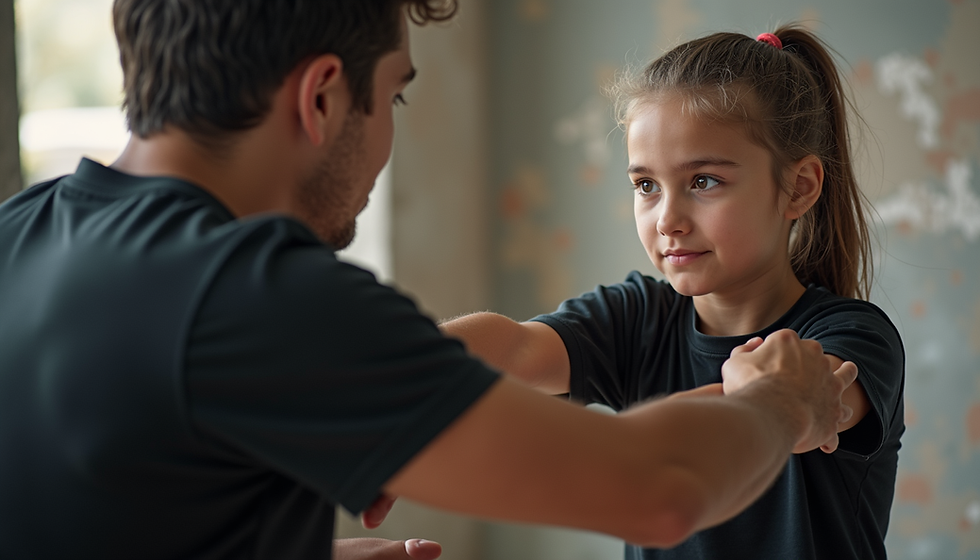
When your child starts Krav Maga classes, the first sessions focus on safety and basics. Instructors teach how to fall safely, how to block attacks, and how to stay calm under pressure. The environment is supportive and encouraging.
Classes usually include:
Warm-up exercises: To prepare the body and prevent injuries.
Technique drills: Practising strikes, blocks, and escapes.
Scenario training: Simulating real-life situations like bullying or stranger danger.
Games and challenges: To keep the sessions fun and interactive.
Cool down and reflection: Time to relax and discuss what was learned.
Instructors are trained to work with children and understand their needs. They create a positive atmosphere where kids feel comfortable asking questions and making mistakes. This helps build trust and a love for learning.
If you want to find the best options for your child, consider searching for krav maga for kids uk to locate classes near Birmingham and Solihull.
Is Krav Maga Legal in the UK?
Many parents ask if Krav Maga is legal in the UK. The answer is yes. Krav Maga is a recognised martial art and self-defence system. It is fully legal to teach and practise. The techniques taught in kids’ classes focus on defence, not aggression.
Instructors follow strict guidelines to ensure safety and legality. They teach children to use their skills responsibly and only in situations where they need to protect themselves. This approach aligns with UK laws on self-defence.
Parents can feel confident that their children are learning a safe and lawful form of self-protection. The emphasis is always on avoiding conflict and using skills wisely.
How Krav Maga Builds Essential Life Skills
Krav Maga training goes beyond physical defence. It helps children develop important life skills that benefit them in many areas.
Confidence: Kids learn to stand tall and speak clearly. This helps in school presentations and social interactions.
Respect: Training teaches respect for instructors, peers, and oneself.
Focus: Learning techniques requires concentration. This skill transfers to homework and other tasks.
Resilience: Kids learn to keep trying even when things are hard.
Teamwork: Many drills involve partners, teaching cooperation and communication.
These skills help children navigate challenges safely and confidently. They become better equipped to handle bullying, peer pressure, and stressful situations.
Parents often notice positive changes in their children’s behaviour after starting Krav Maga. Kids become more assertive and less anxious. They develop a stronger sense of self-worth.

How to Get Started with Krav Maga for Your Child
Starting Krav Maga training is simple. Here are some steps to help you get going:
Research local classes: Look for reputable schools in Birmingham and Solihull. Check reviews and ask about instructor qualifications.
Visit a class: Many schools offer trial sessions. This lets your child experience the training before committing.
Prepare the right gear: Comfortable sportswear and trainers are usually enough. Some schools provide protective equipment.
Set goals: Talk with your child about what they want to achieve. This keeps them motivated.
Encourage regular attendance: Consistency is key to progress.
Support at home: Ask your child to show you what they learn. Celebrate their achievements.
Remember, the goal is to empower your child, not to push them too hard. Every child learns at their own pace. The right school will respect this and provide a positive experience.
Krav Maga is a valuable skill that can last a lifetime. Starting young gives children a strong foundation for safety and confidence.
Empower Your Child Today
Krav Maga kids training offers more than just self-defence. It builds confidence, discipline, and essential life skills. It prepares children to face challenges safely and with courage. For families in Birmingham and Solihull, it is an excellent choice to help kids grow stronger inside and out.
If you want your child to gain these benefits, consider enrolling them in Krav Maga classes. The skills they learn will serve them well throughout their lives. Empower your child with Krav Maga and watch them thrive.
Explore local options and take the first step towards a safer, more confident future for your child.


Comments